


 Podcast

 Podcast
Tres conversaciones diferentes que convergen en una misma pregunta: ¿cómo lograr que las soluciones que sabemos que funcionan sean reconocidas, adoptadas, financiadas y sostenidas por los sistemas?
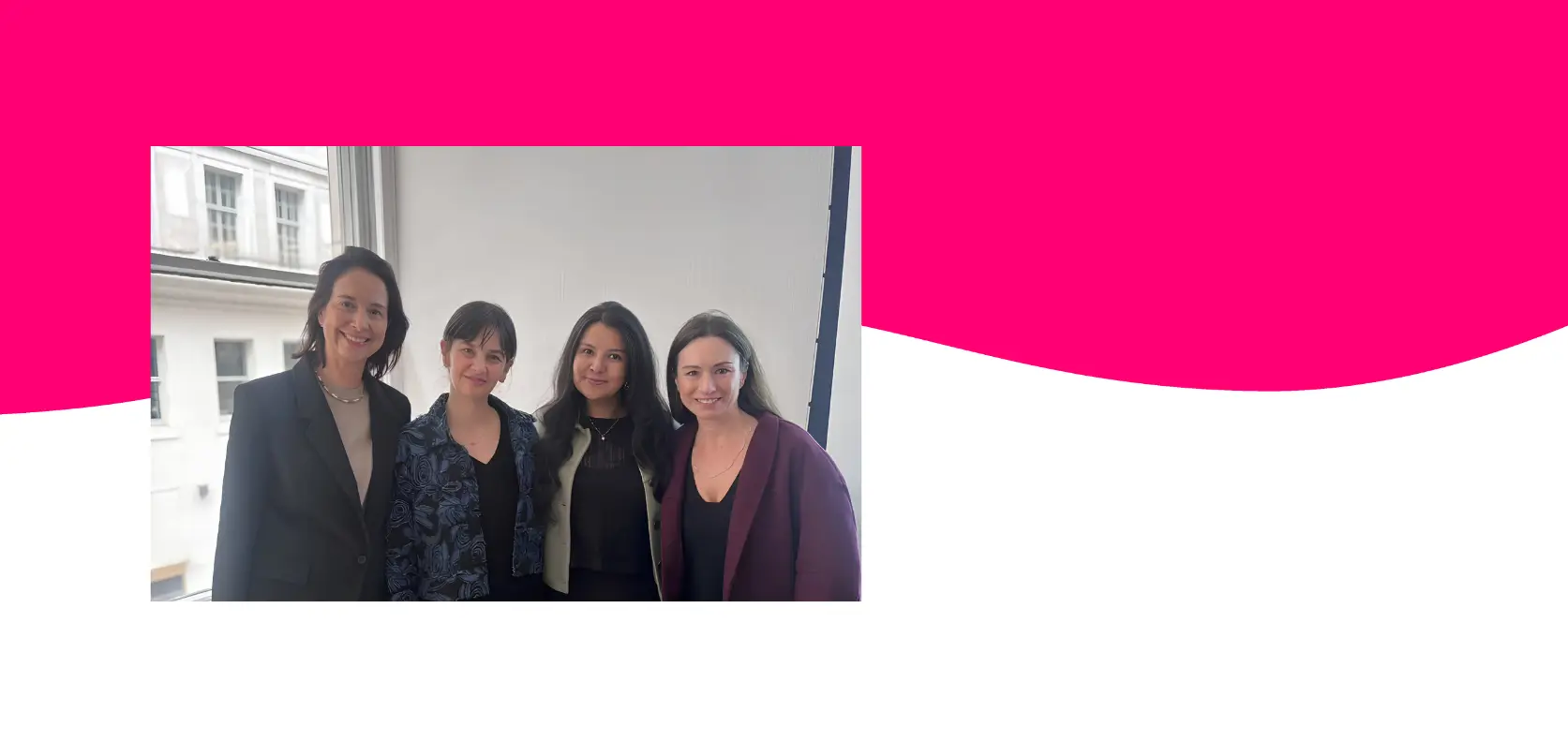
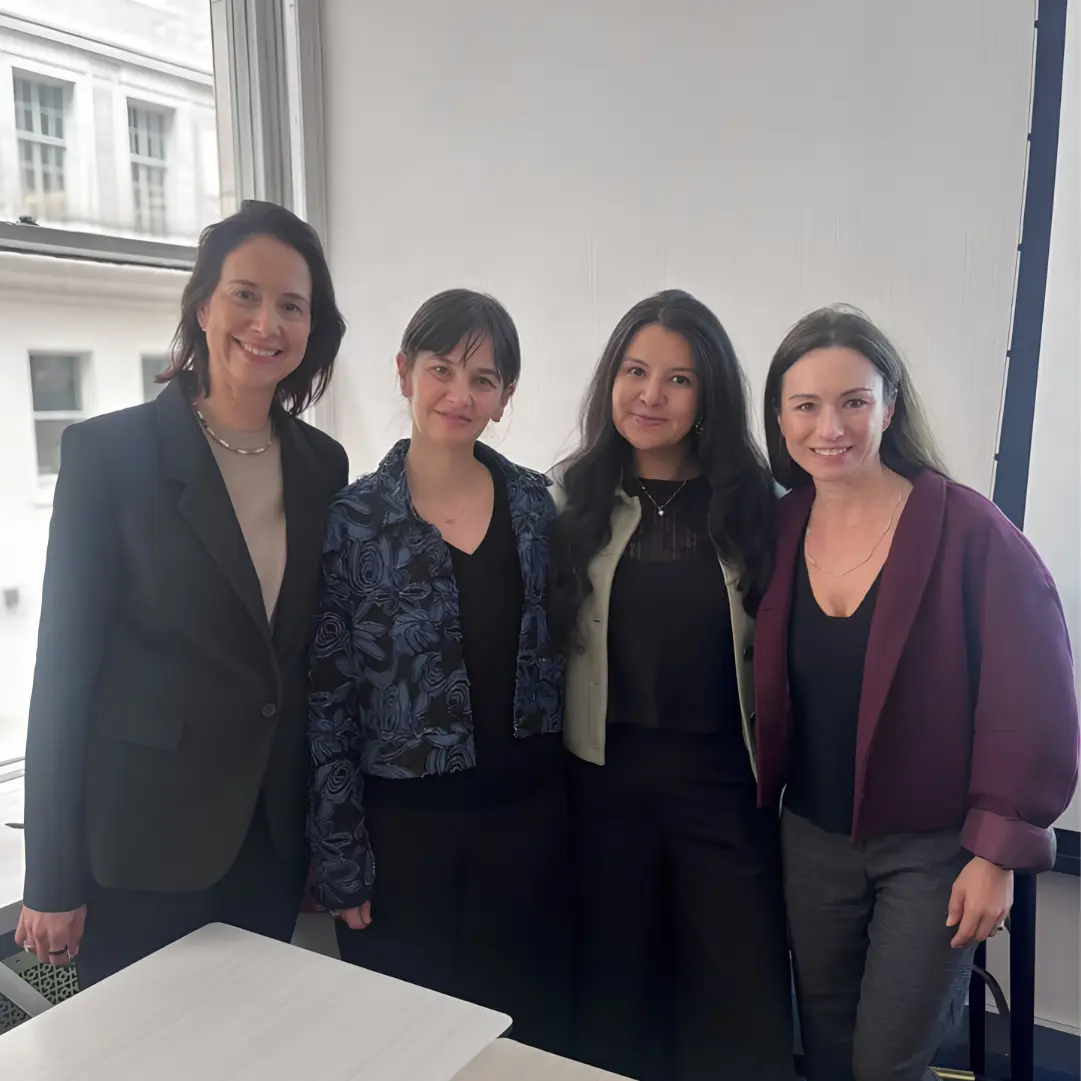
aeioTU at UNGA 2026: From Proven Solutions to Systems Transformation
aeioTU at UNGA 2026: From Proven Solutions to Systems Transformation

Table of Contents
aeioTU at UNGA 2026: From Proven Solutions to Systems Transformation
Key conversations advancing the global early childhood agenda

During the United Nations General Assembly in New York, aeioTU took part in three conversations that are essential to advancing the global early childhood agenda: raising the visibility of and strengthening home-based childcare, drawing lessons from 15 years of early childhood innovation, and mobilizing stronger government commitments to the early years.
Three distinct conversations converged on one central question:
How can we ensure that solutions we know work are recognized, adopted, funded, and sustained by the systems that serve young children?
Home-Based Childcare Is Also Part of the System
For millions of children around the world, home-based childcare is among their earliest care experiences and, in many contexts, one of the main options available to families. Yet this form of care remains largely overlooked in early childhood policies, quality frameworks, and funding mechanisms.
The Global Home-Based Childcare Alliancewas established in 2026 against this backdrop. Cofounded by aeioTU and organizations from different regions of the world, this international alliance seeks to elevate home-based childcare on the global agenda, generate evidence, and help ensure that home-based childcare providers receive the recognition and support they need.
During UNGA, the conversation reinforced the importance of recognizing that expanding access to early childhood services also means acknowledging the forms of care already present in communities and working to improve their quality.
For aeioTU, this perspective is directly connected to its Cuidar Cuenta initiative, which focuses on strengthening and professionalizing the skills of those who care for and support young children in home-based settings.
Fifteen Years of Saving Brains: What Comes After Proving That an Innovation Works?
The second conversation brought together innovators, funders, and early childhood leaders to reflect on 15 years of Saving Brains, Grand Challenges Canada portfolio dedicated to advancing innovations that protect and strengthen development during the early years.
After 15 years and CAD $81 million invested in early childhood development, one of the key lessons shared during UNGA was that generating evidence is only part of the journey. Achieving scale also requires government ownership, adapting solutions to local contexts, and engaging frontline workers and families in the systems that sustain impact.
aeioTU has been part of this journey. Support from Saving Brains enabled the organization to explore new ways of bringing the knowledge developed in its early childhood centers to a larger scale by strengthening capacities, working with families and communities, integrating technology, and building partnerships with governments and other stakeholders.
But this experience also raises a fundamental question:
What happens after we prove that a solution works?
Scaling an innovation is not simply about reaching more people. It also means addressing barriers related to who adopts the solution, who funds it, what incentives encourage its integration, and what needs to change for it to become part of existing services and policies.
This is precisely one of the lessons Grand Challenges Canada has incorporated into its current strategy: even strong innovations can stall when funding, demand, or clear pathways to adoption are lacking. The challenge, therefore, is to connect innovation, evidence, financing, and systems capable of sustaining solutions over time.
For aeioTU, this conversation reinforces a central belief: true scale means embedding lasting capacity and quality within the system.
From Global Mobilization to Concrete Commitments
The third conversation focused on Act for Early Years, Theirworld's global campaign, launched in 2023, to mobilize governments, organizations, and citizens around greater investment in and attention to the early years.
In Colombia, this movement is promoted through Actuemos por la Primera Infancia, led by Red PaPaz.The initiative seeks to establish early childhood as a national priority and engage decision-makers, public officials, leaders, businesses, and citizens in securing greater resources and better conditions for children.
aeioTU has joined this movement with the understanding that raising awareness and bringing more voices into the conversation are essential, but that the real challenge lies in the next step: translating this mobilization into concrete government commitments.
Participation in UNGA built on a conversation aeioTU also contributed to earlier this year in Kigali, Rwanda: how to translate the importance of early childhood into decisions, funding, public policies, and sustainable action.
The question, then, is no longer simply how to put early childhood on the agenda, but rather:How can we turn that priority into measurable, lasting commitments??
Three Conversations, One Shared Challenge
Home-based childcare, the lessons from Saving Brains, and the mobilization efforts of Act for Early Years address different realities, but all point to the same conclusion:
Early childhood needs effective solutions, but it also needs systems capable of recognizing, funding, adopting, and sustaining them.
This is one of the key insights aeioTU brings back from UNGA 2026 and one that continues to guide the organization's evolution: moving beyond implementing solutions to working alongside governments, communities, funders, and other partners to drive lasting systems-level change and reach more children.
Key conversations advancing the global early childhood agenda
Share in:



 WhatsApp: 3204994857


Comments