


 Podcast
 Podcast
Pantallas, educación en la Primera Infancia en tiempos digitales: equilibrar la balanza

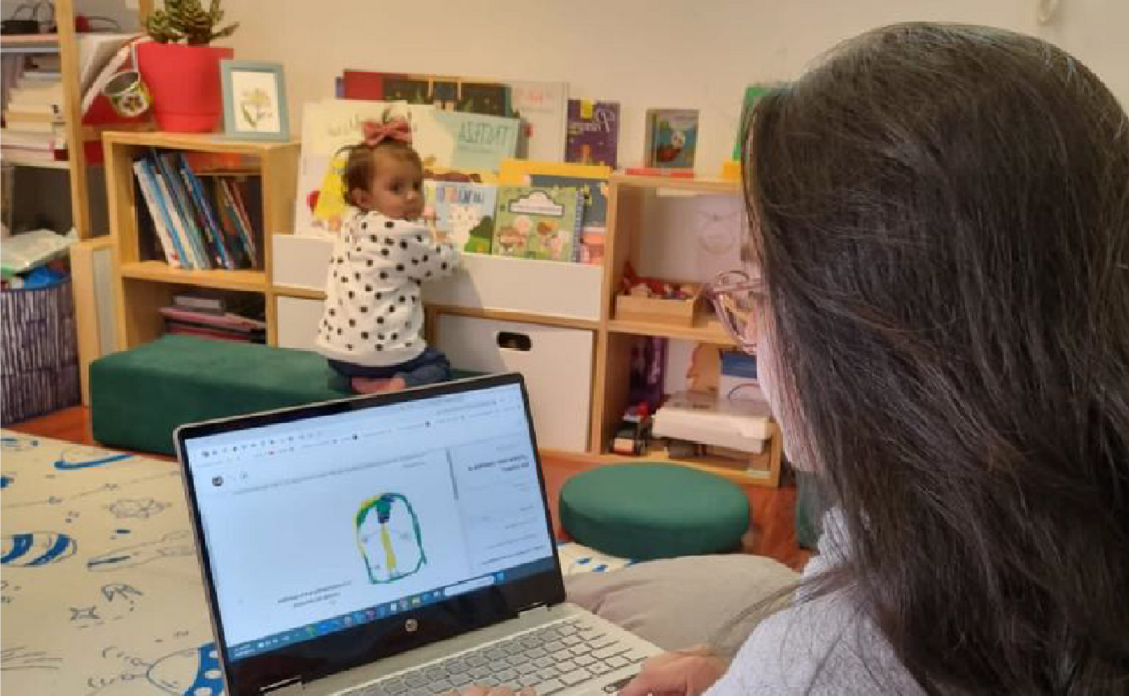
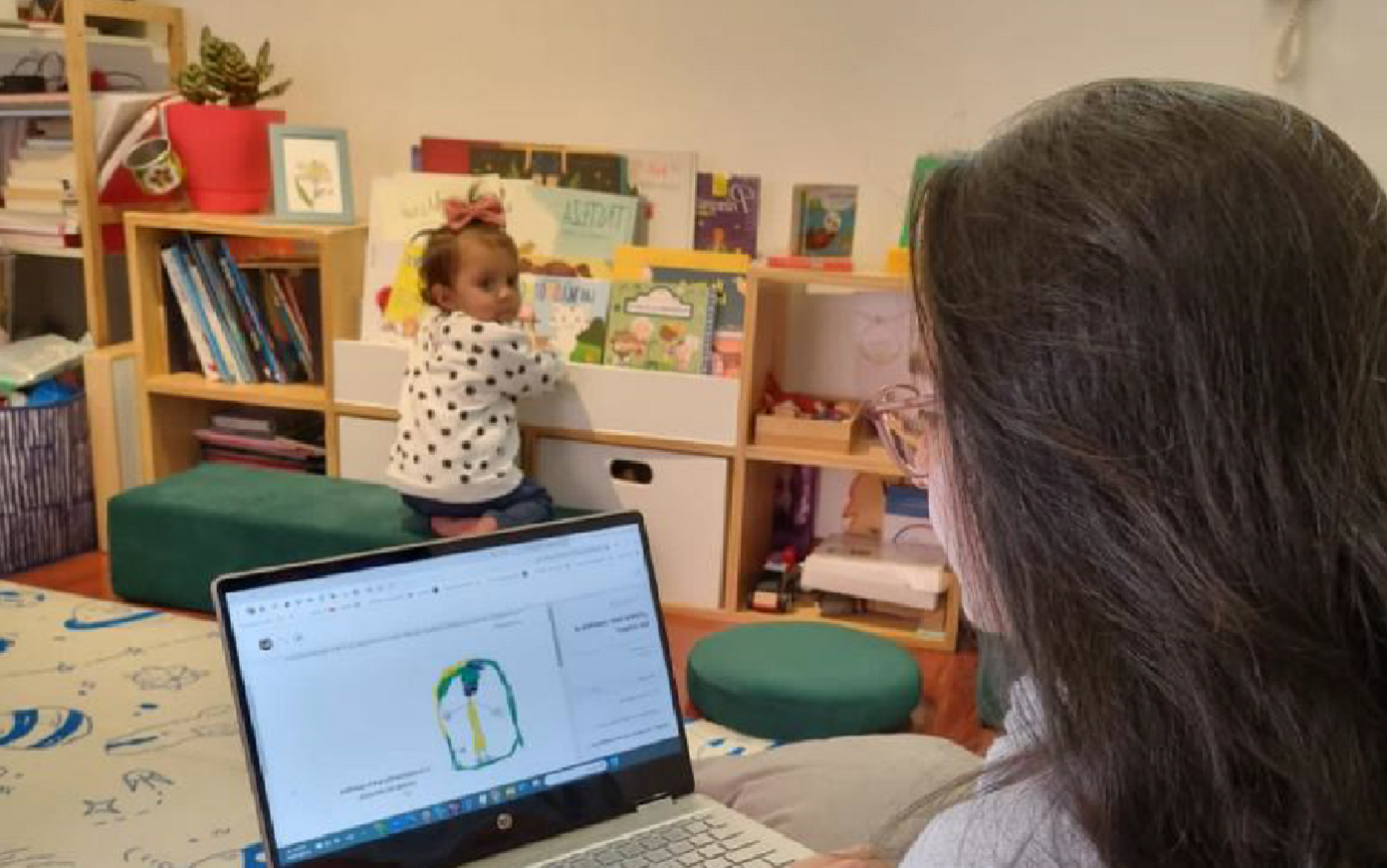
Early Childhood Education in the Digital Age: Striking a Balance
Early Childhood Education in the Digital Age: Striking a Balance

Table of Contents
Early Childhood Education in the Digital Age: Striking a Balance
This article is based on…

Screens are now part of children's everyday environments. They are present in homes, public spaces, and many educational settings. Given this landscape, a key question arises for families and educators: how can technology be integrated without displacing the essential elements of early childhood development?
The answer lies not in outright bans or alarmist oversimplifications, but in understanding the evidence and seeking a conscious balance between the digital world and the experiences that underpin early learning.
What does the evidence say?
The report *Screen Time in Early Childhood Education: Balancing the Digital Scale*, produced by the World Bank, analyzes more than 80 studies conducted across 18 countries and six global regions. Its findings converge on a central point:
The impact of screens depends not only on the duration of use but also on the context, the type of content, the children's ages, and—above all—the guidance provided by adults.
Not all screens are alike, nor do all uses have the same effect. Digital technology can offer valuable opportunities if used intentionally and under guidance—specifically as a complement to, rather than a substitute for, the fundamental experiences of child development.

What early development really needs
During the first five years of life, the brain develops at an extraordinary pace. Evidence shows that this process is built primarily through:
• Quality interactions (give-and-take) between adults and children
• Real conversations rich in language and meaning
• Active play, exploration, and movement
• Quality sleep, which is essential for brain maturation
When screen use displaces these experiences rather than integrating with them, negative effects can arise in key areas such as language development, attention, self-regulation, and emotional bonding.
Technoference: when technology disrupts the bond
One of the report's central concepts is "technoference," which refers to the way digital device usage interferes with the relationship between adults and children.
Research shows that technoference can lead to:
• Fewer and lower-quality conversations
• Diminished emotional attunement
• A reduction in sensitive and responsive interactions
Furthermore, children learn by observing. When adults use screens constantly or while distracted, these patterns become normalized and are adopted as models of social behavior.
Therefore, the debate regarding screens in early childhood is not limited to children's direct exposure to them, but also encompasses the relational environment that adults create around them.
It is not about eliminating screens, but about using them better. The report makes a fundamental point clear: technology should not be demonized. It is part of the world children are discovering and, when used well, can contribute to their learning.
The goal is to strike a balance—protecting essential developmental experiences while leveraging the benefits of well-designed digital tools .
Some evidence-based recommendations include:
• Prioritizing purposeful, shared use
• Choosing age-appropriate content
• Creating screen-free spaces and times, such as during meals or before bed
• Offering accessible alternatives: books, games, songs, and physical activity
• Reflecting on adult screen use as a model for children
Small changes to daily routines can have a significant and sustainable impact, without assigning blame or passing judgment on families.

Early Childhood Education Today
Educating young children in a digital world requires understanding the complexities of the current landscape and supporting families with an approach grounded in evidence, empathy, and care.
Supporting children’s development in a digital world is not a task to be undertaken alone. That is why the Network aeiotu offers families, educators, and caregivers resources designed to strengthen parenting and early childhood education.
In the aeioTU Network, you will find:
• Courses on child development, parenting, and early education
• Evidence-based parenting tips
• Games and activities to promote learning through play
• Practical tools for supporting children with intention and care
We invite you to explore these resources, designed to support the well-being and learning of children from their earliest years.






 WhatsApp: 3204994857


Comments