


 Podcast
 Podcast
Play: An Experience That Transforms Children's Learning and Development

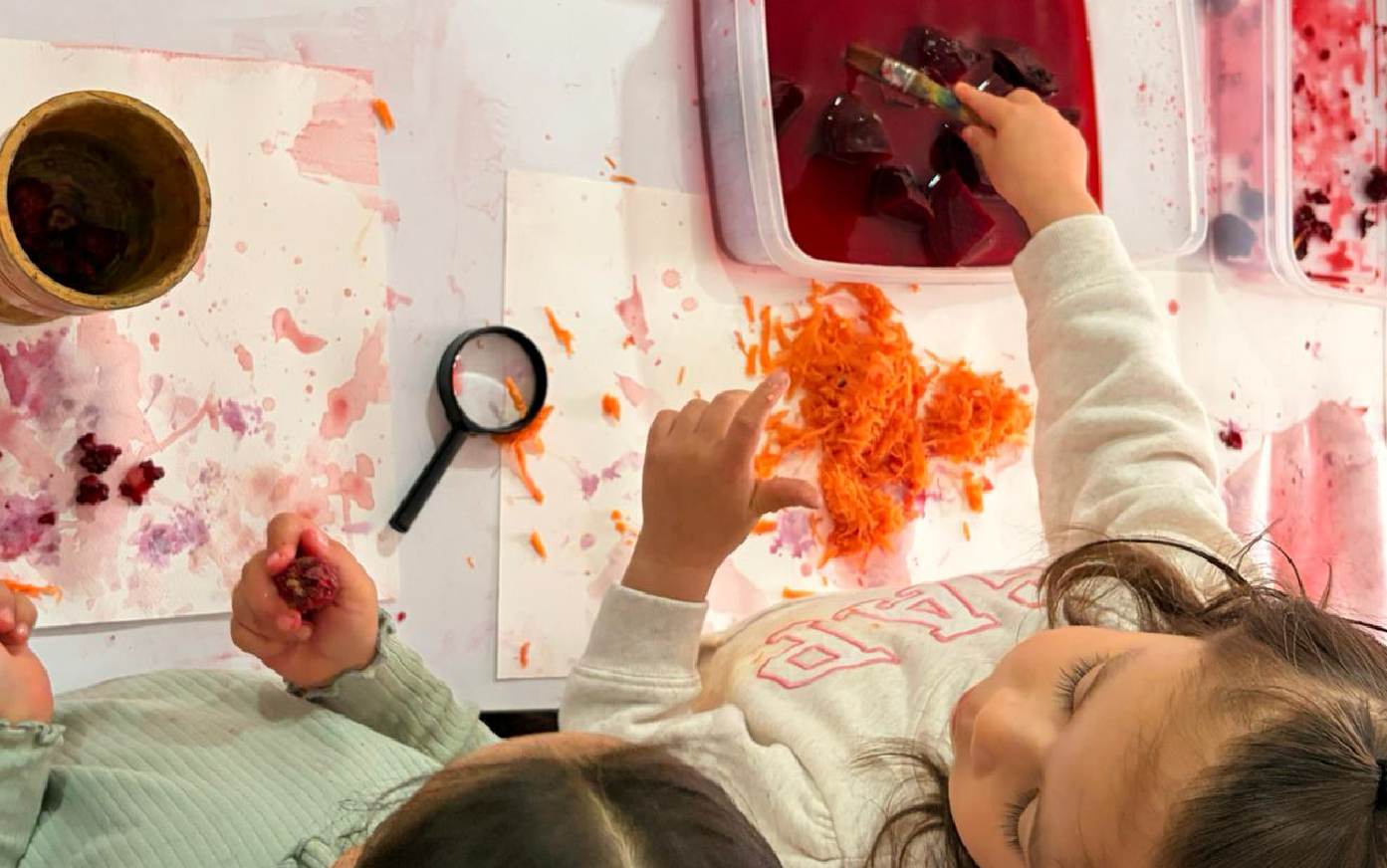
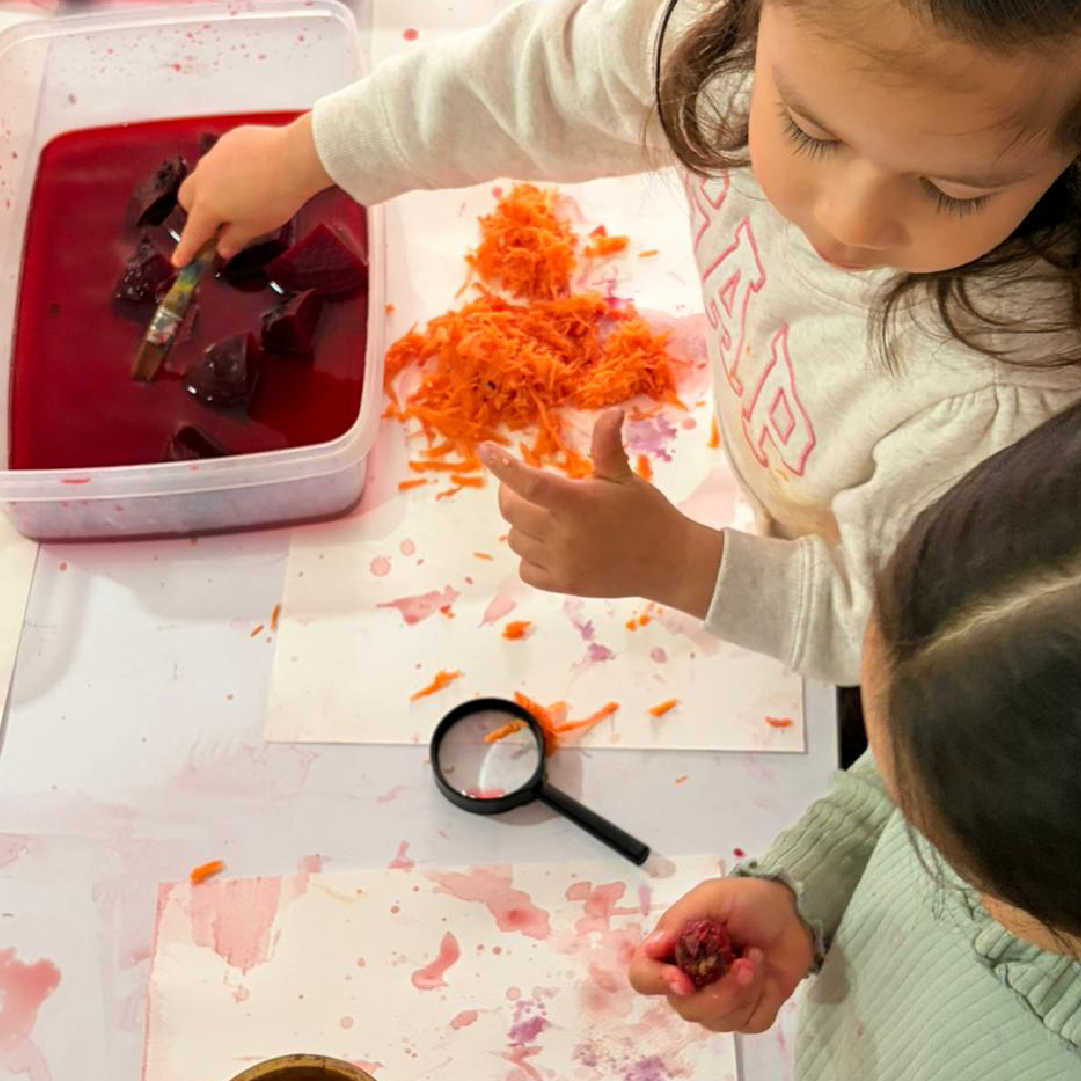
Play: An Experience That Transforms Children's Learning and Development
Play: An Experience That Transforms Children's Learning and Development

Table of Contents
Play: An Experience That Transforms Children's Learning and Development
References…

By: Laura Guzmán Soto
Pedagogical Coordinator, Privately Operated aeioTU Early Childhood Centers
International Day of Play: An Invitation to Recognize Its Value
In 2024, the United Nations General Assembly officially proclaimed June 11 as the International Day of Play,recognizing that play is a fundamental right and an essential experience for children's learning, well-being, and holistic development. This declaration offers an opportunity to highlight something those of us working in early childhood education have known for decades: "Play is learning in itself, and it is the foundation for all learning."
This occasion invites us to reflect on a fundamental question: What happens when a child plays?
The answer is powerful. When playing, a child explores the world, builds relationships, develops skills, expresses emotions, solves problems, imagines possibilities, and learns about themselves and others.
What the Evidence Tells Us
Various studies from the fields of developmental psychology, neuroscience, anthropology, and education have demonstrated the close relationship between play, learning, and child development. Evidence shows that play experiences foster children's cognitive, emotional, social, and physical development (Whitebread et al., 2017).
Beyond the various existing definitions, play is recognized as an activity intrinsic to human beings, one in which the process holds more value than the final outcome (Smith & Pellegrini, 2008). It is an experience that emerges naturally from the earliest years of life, allowing children to understand, represent, and interpret the world around them.
Through play, culture is built, bonds are strengthened, and ongoing opportunities for learning are created. For this reason, play experiences during early childhood are especially valuable, as they provide rich, meaningful contexts for developing skills that will stay with individuals throughout their lives.
What makes play conducive to learning?
Research on learning through play identifies several essential characteristics that foster child development (Liu et al., 2017):
- It is joyful: it generates enjoyment, motivation, and well-being.
- It is meaningful: it connects with children's experiences, interests, and prior knowledge.
- It involves active participation: it engages the body, mind, and emotions.
- It allows for exploration and trying again: it encourages experimentation, creativity, and problem-solving.
- It promotes social interaction: it creates opportunities to communicate, negotiate, cooperate, and build with others.
These characteristics activate multiple brain processes simultaneously, strengthening the foundations for future learning and contributing to holistic development from the earliest years of life.
Play at aeioTU early childhood centers
At aeioTU early childhood centers, we view play as a fundamental experience for children's learning and development.
Therefore, play is not limited to a specific time of day but permeates the daily life of the center. It is present in exploration processes, in inquiry projects born from children's questions, in conversations, in carefully designed environments, and in the interactions they build with others.
We recognize each child as the protagonist of their own learning. For this reason, we promote experiences rooted in their interests, curiosities, and unique ways of understanding the world. We create opportunities for them to investigate, formulate hypotheses, imagine, create, build, and discover the world around them; through learning-through-play, children can apply new knowledge in various situations and develop diverse life skills, engaging both cognitive and emotional processes (Mardell et al., 2023).
Our environments—both classrooms and common areas—are conceived as "third educators" that invite movement, exploration, experimentation, and connection with others. In them, play becomes an opportunity to develop cognitive, emotional, social, creative, and communicative skills in an integrated and meaningful way.
The Role of Educators: Creating Conditions to Make the Power of Play Visible
When discussing learning through play, the role of educators[1] is fundamental. Evidence shows that play experiences reach their full potential when supported by adults who understand their value and create the conditions for children to explore, imagine, create, and build knowledge.
This entails recognizing that play does not occur solely in a spontaneous manner; rather, it can be enriched through carefully designed and stimulating pedagogical environments, questions that spark curiosity, and relationships that provide emotional security.
Various studies have noted that moments of play naturally bring together characteristics that foster learning: they generate joy, actively engage children, promote social interaction, and allow for experimenting with new ideas and constructing meaning about the world around them (Jensen et al., 2019). Therefore, the educator's role is to identify and enhance these opportunities.
At aeioTU early childhood centers, we understand that supporting play requires observing closely, listening to children's questions, recognizing their interests, and offering experiences that connect these curiosities with meaningful opportunities for learning and development.
This support can take various forms. At times, children lead the experience entirely through free play;at other times, teachers participate intentionally through guided play or propose more structured experiences through directed playWhat matters is recognizing that each of these forms holds value and addresses different learning opportunities (Maldonado-Carreño et al., 2023).
Rather than directing the play, educators act as responsive facilitators who adapt to each child's needs, build trusting relationships, offer support when necessary, and assist in establishing boundaries respectfully. These actions—described by Reeve (2012) as fundamental principles of effective facilitation—help transform play into a rich, meaningful, and deeply human experience.
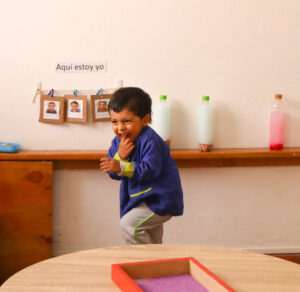
When an educator understands the value of play, they stop wondering whether children are learning while they play and begin to discover everything they are learning precisely because they are playing.
A Shared Responsibility
Promoting play is a responsibility that involves families, educational institutions, communities, and society as a whole.
When children have the time, spaces, and opportunities to play, their chances of learning, developing, and building life skills increase. Therefore, on this International Day of Play, we reaffirm our commitment to continuing to create experiences that recognize the value of play as a right, a form of expression, and a powerful tool for learning.
Because when a child plays, they are not simply occupying their time: they are discovering the world, building knowledge, strengthening relationships, and developing their full potential. At aeioTU, we will continue to champion play as a right, an opportunity to learn, and an essential experience for growth.
[1] Educador, entendido como la persona que a partir de la relación con las niñas y los niños genera aprendizajes en su proceso de formación
(profesionales psicosociales, nutricionistas, caseras, manos amigas, personas de la comunidad, etc.).
References…
Share in:



 WhatsApp: 3204994857


Comments