


 Podcast

 Podcast


Play and quality interactions in early childhood are essential for learning to read and write, experts say
International Literacy Day is observed on September 8th
Play and quality interactions in early childhood are essential for learning to read and write, experts say

Table of Contents
Play and quality interactions in early childhood are essential for learning to read and write, experts say
What appropriate early literacy should look like

- More than 250 million children worldwide lack basic literacy skills.
- In Colombia, only one in two children has access to quality early childhood education.
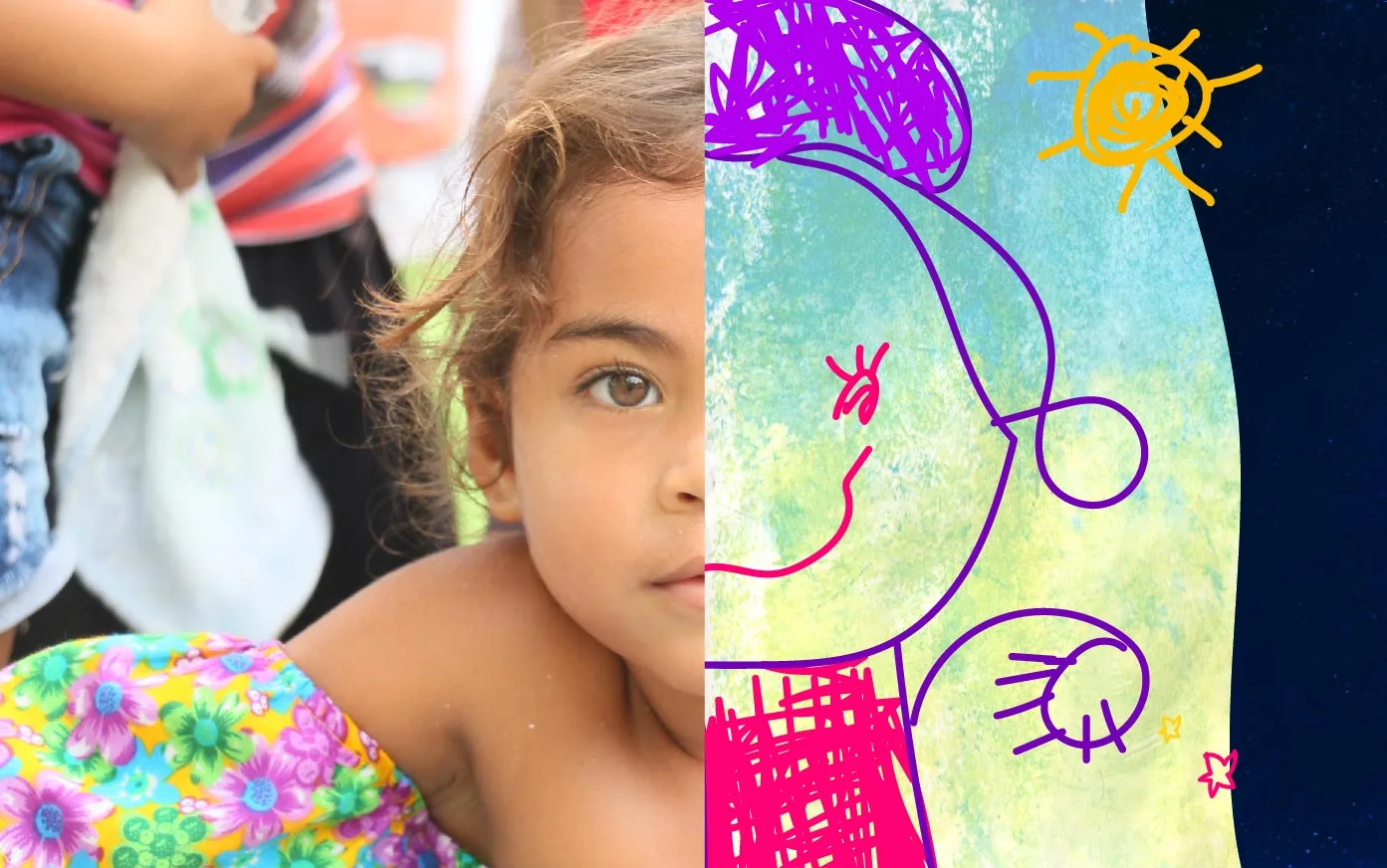
The foundations for learning to read and write are built during the first years of life through play and quality interactions with adults, according to experts from aeioTU—a leading social enterprise in early childhood education—in observance of International Literacy Day on September 8th. aeioTU notes that it is a mistake to think early literacy occurs only through the formal teaching of letters and numbers; in reality, it is through playful exploration, creativity, and healthy, constructive interactions with adults that young children best strengthen their communication skills.
However, aeioTU points out that early childhood still faces challenges regarding access to education and recognition of the importance of holistic care during the first years of life—factors that, in turn, complicate literacy development. UNICEF data reveal that 3.6 million children aged 3 to 4 in Latin America and the Caribbean lack age-appropriate early development. This issue is exacerbated by a lack of access to early childhood education; UNESCO estimates that only 52% of children aged 3 to 5 in the region have access to quality early education services, while in Colombia this figure stands at just 45% (approximately one in two), with marked disparities between urban and rural areas. This situation has resulted in more than 250 million children worldwide lacking basic literacy skills.

What appropriate early literacy should look like
According to aeioTU, the most common mistakes in early literacy involve practices such as having children repeatedly write out isolated letters, memorize the alphabet without meaningful context, or face premature academic exercises.
In contrast, the organization advocates for approaches centered on play and activities that encourage children to describe the world creatively, linking words to experiences that are real and meaningful to each child. Examples include inventing stories using images, creating characters out of modeling clay, drawing, and—more generally—having free time to discover enjoyable activities on their own.
“We are calling on families and caregivers to recognize the importance of holistic development during children's early years—both for learning to read and write and for acquiring the full range of life skills,” emphasized Arciniegas.

About aeioTU
aeioTU is a Colombian social enterprise that has been working for 17 years with the goal of transforming communities in a systemic, innovative, and sustainable way by unlocking the full potential of children. Inspired by the Reggio Emilia philosophy, it has developed the aeioTU Educational Experience—an early childhood education model backed by measurement and scientific evidence—in which art, play, and inquiry serve as fundamental pillars for child development, family engagement, and community growth.



 WhatsApp: 3204994857


Comments