


 Podcast
 Podcast
La diversidad como una característica del ser - Jardines Infantiles aeioTU

Diversity as a characteristic of being
Diversity as a characteristic of being

Table of Contents
Diversity as a characteristic of being
About the author…

By: Carolina Franco
Coordinator, aeioTU Salitre – Modelia Preschool
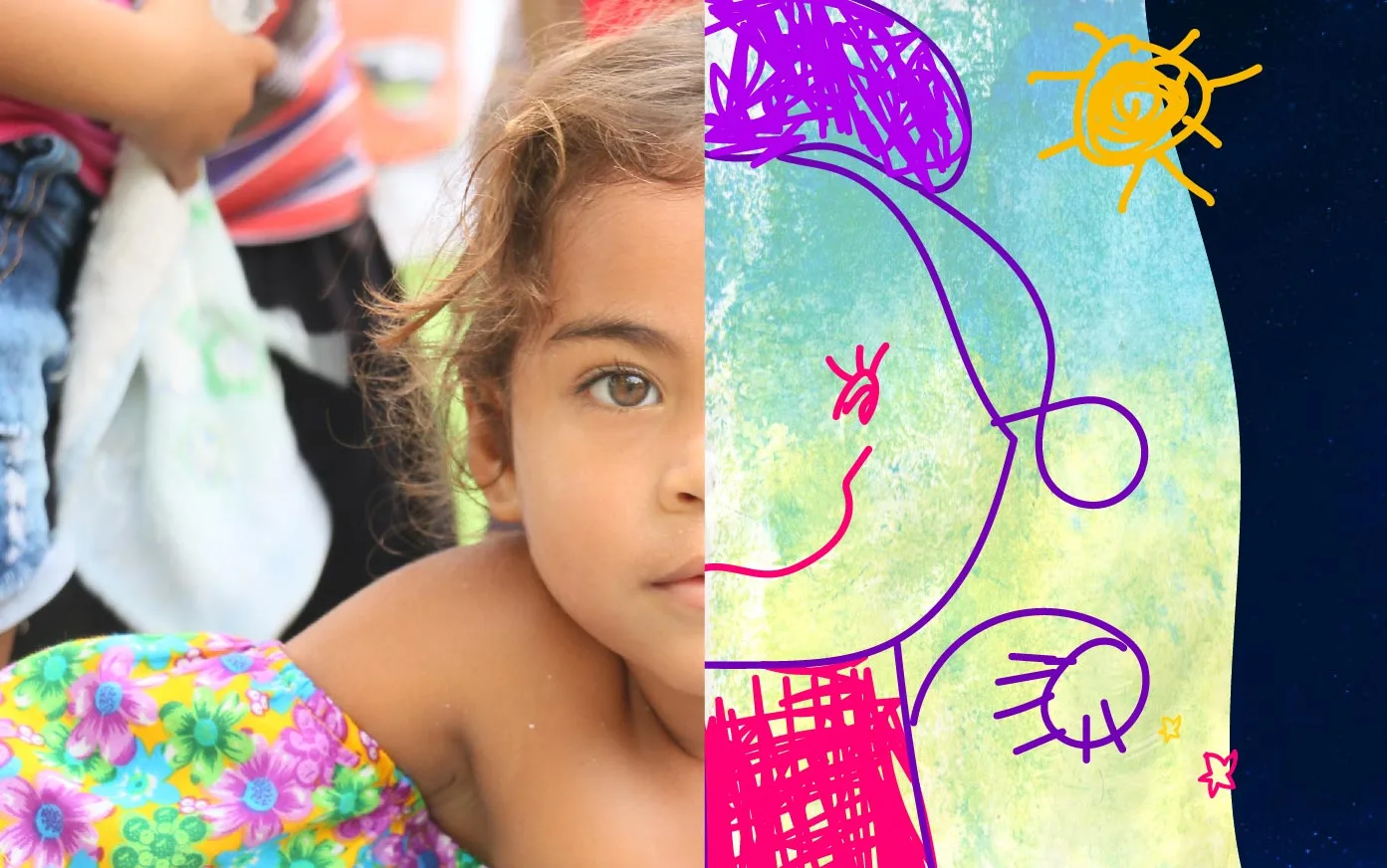
When we speak of diversity, we are not referring to an exceptional condition; we are simply speaking of an essential characteristic of human beings. Diversity is what makes us unique and one-of-a-kind. Each person perceives, understands, and transforms the world based on their own history, experiences, and particular way of relating to others. Therein lies the richness of the human condition.
Despite this, the concept of diversity has not always been understood in this way. For a long time, difference was interpreted as a flaw or a deviation from what was considered "normal." While biodiversity was admired in plants and animals, uniformity was expected of human beings: learning the same way, behaving the same way, developing the same way, and even thinking the same way. Thus, for decades, the concept of normality became a benchmark for classifying, comparing, and sometimes even excluding people.
Advances in disciplines such as neuroscience, genetics, and developmental psychology have shown us that diversity is a defining characteristic of our species. No two people are exactly alike. This diversity is shaped by multiple, constantly intertwining factors: brain architecture, genetic traits, culture, environment, language, life experiences, emotional bonds, parenting practices, beliefs, learning opportunities, and unique ways of communicating and interpreting the world. Human development—as explained by Bronfenbrenner in his Ecological Systems Theory—results from the constant interaction between the individual and the various contexts in which they participate; this makes it impossible to conceive of a single, universally valid model of development.
This understanding is particularly important in early childhood. Children enter the world with immense potential, yet they also possess vastly different paces, interests, learning styles, and ways of expressing their emotions. Research on child development has demonstrated that there is no single path to learning, nor is there a single timeline for reaching various developmental milestones. Each child constructs their knowledge based on their own experiences, their relationships, and the opportunities offered by their environment.
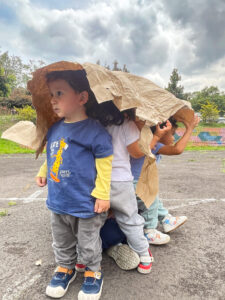
Authors such as Loris Malaguzzi, creator of the Reggio Emilia educational approach, maintained that every child possesses "a hundred languages" to know, express, and understand the world. Childhood, therefore, cannot be reduced to a single way of learning or communicating. Some children explore through movement, others through art, symbolic play, music, words, or inquiry. All these languages are equally valuable and represent different ways of constructing knowledge.
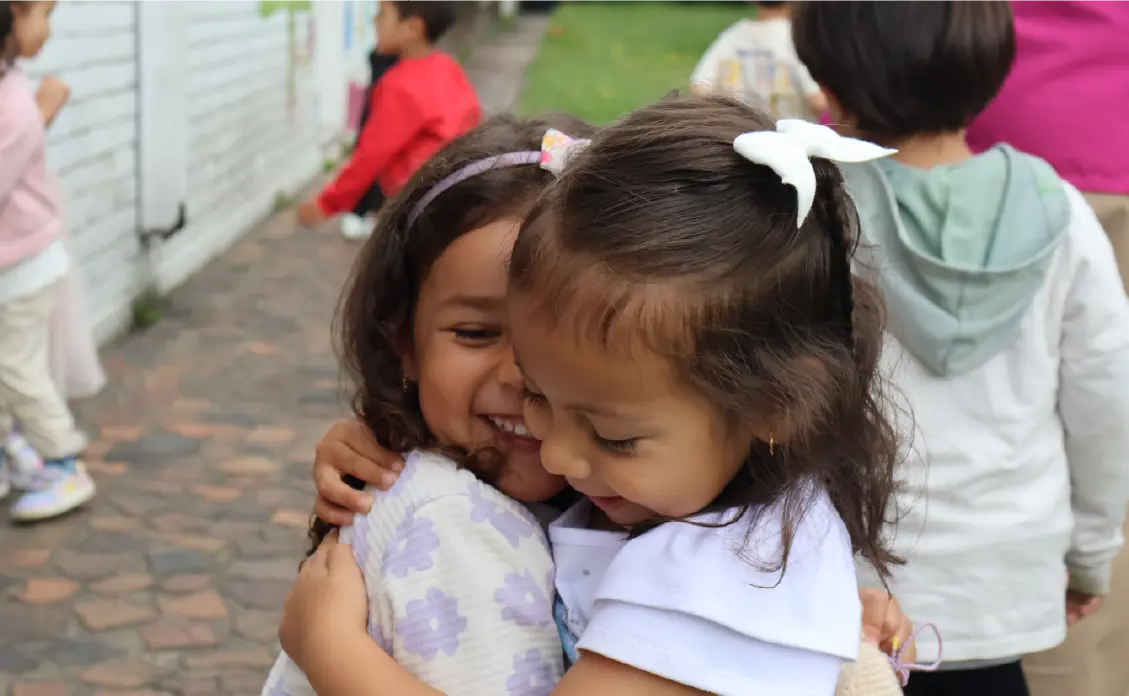
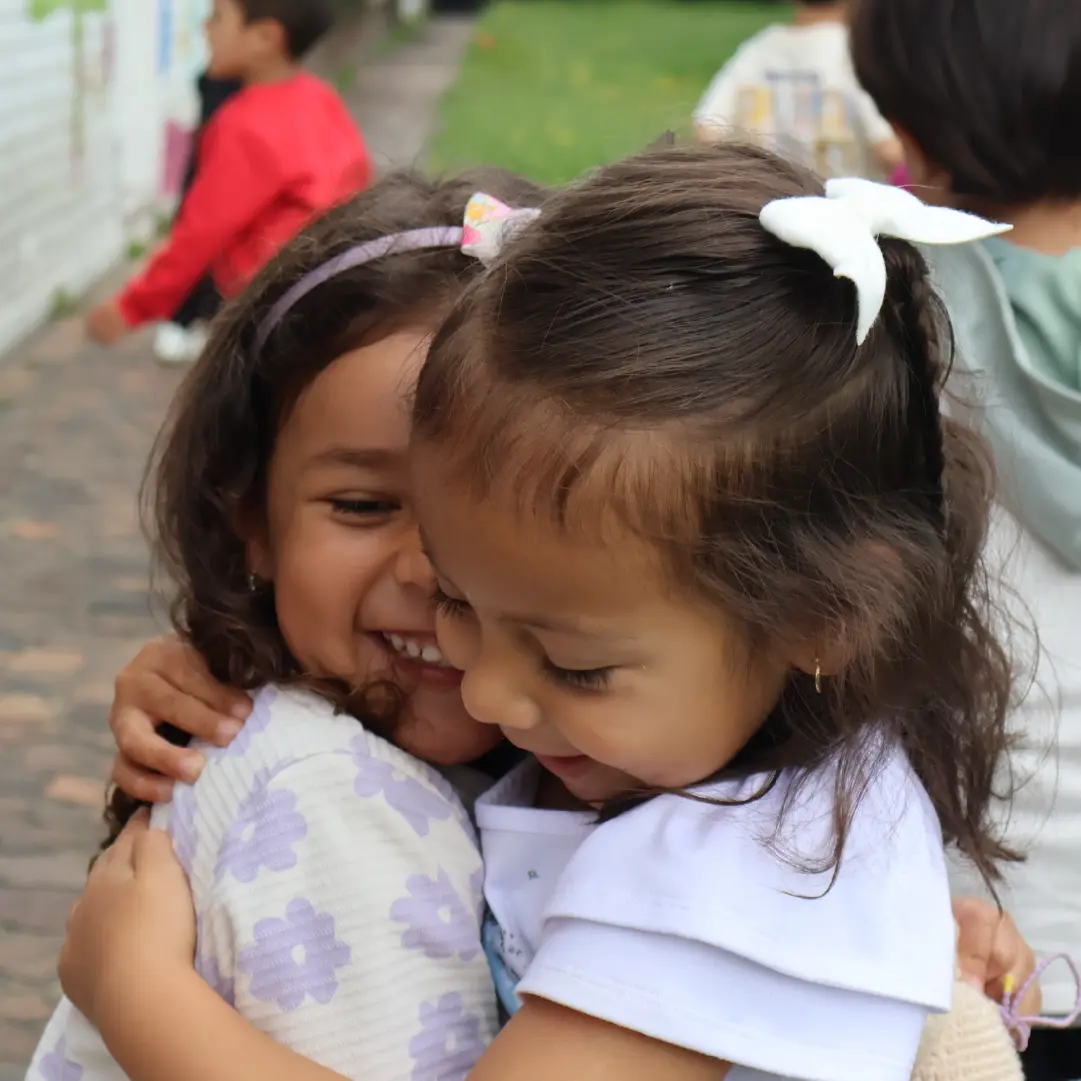
At aeioTU, we understand that diversity is not a challenge to be overcome, but a richness to be celebrated. That is why we create environments where every child finds a place to be, participate, and learn based on their own identity. We embrace difference, play with it, learn from other cultures, recognize diverse forms of communication, and value the many paths that exist to discover the world.
We believe that every child represents a small universe of experiences, emotions, knowledge, and possibilities. When these universes meet in a spirit of respect and curiosity, authentic relationships, meaningful learning, and more humane communities emerge. In that moment, the concept of "normality" loses its relevance and gives way to a far more powerful principle: the recognition of each person's dignity and unique value.
Our responsibility, then, is to build environments that acknowledge the diversity of those who inhabit them. Only in this way can we guarantee a truly inclusive education—one where every child has the opportunity to develop fully while being themselves; where every material offers countless possibilities for creative engagement; where every pair of eyes in the classroom can see things differently; and where we build a future society that is more just, respectful, and celebratory of diversity.
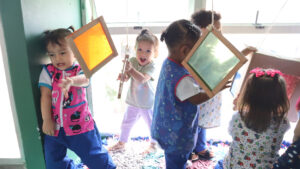
An 18-year journey supporting early childhood development within environments that are respectful, inclusive, and deeply committed to acknowledging individuality has transformed our understanding of children. Every experience has deepened our sense of purpose and broadened our perspective, allowing us to see—through a new lens—the immense richness within each child and our responsibility to support them in realizing their full potential.
Along this path, we have come to understand that education is not about expecting everyone to learn in the same way, but rather about creating opportunities for every child to reach their full potential. We have learned English and even French to communicate with families from around the world; we have discovered the beauty of diverse accents and cultures; we learned sign language to break down communication barriers; we incorporated pictograms and other augmentative and alternative communication systems; and we sing, play, explore, and constantly seek new ways to connect with every child.
Each classroom experience has reinforced a core conviction: every child has the right to be recognized for their unique self. Some need more time, others require different forms of expression, and some find the language through which they understand the world in movement, music, art, or play.
Today, we clearly understand that inclusion does not begin only when visible differences appear; it starts the moment we design environments capable of embracing human diversity in all its forms. After all, every child needs space to grow, an adult who believes in their potential, and a place where they feel safe to discover who they are and everything they can become.
About the author…
“To educate is not to fill someone with knowledge; it is to guide them in discovering everything that already resides within each being.”
Share in:



 WhatsApp: 3204994857


Comments