


 Podcast

 Podcast
El impacto de las primeras semanas se va quedando en las comunidades más afectadas y, para el resto del país, la normalidad parece retomar su curso.
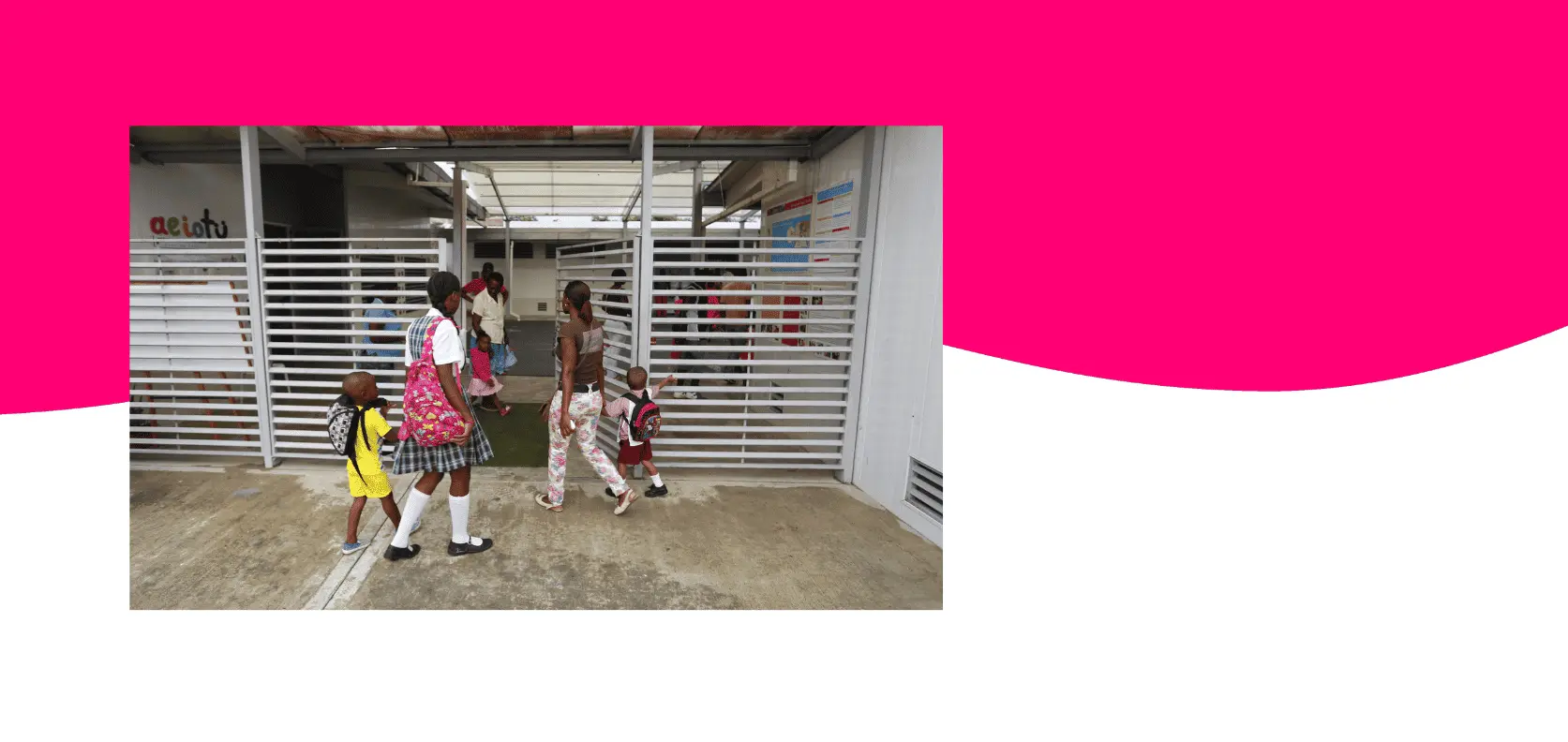
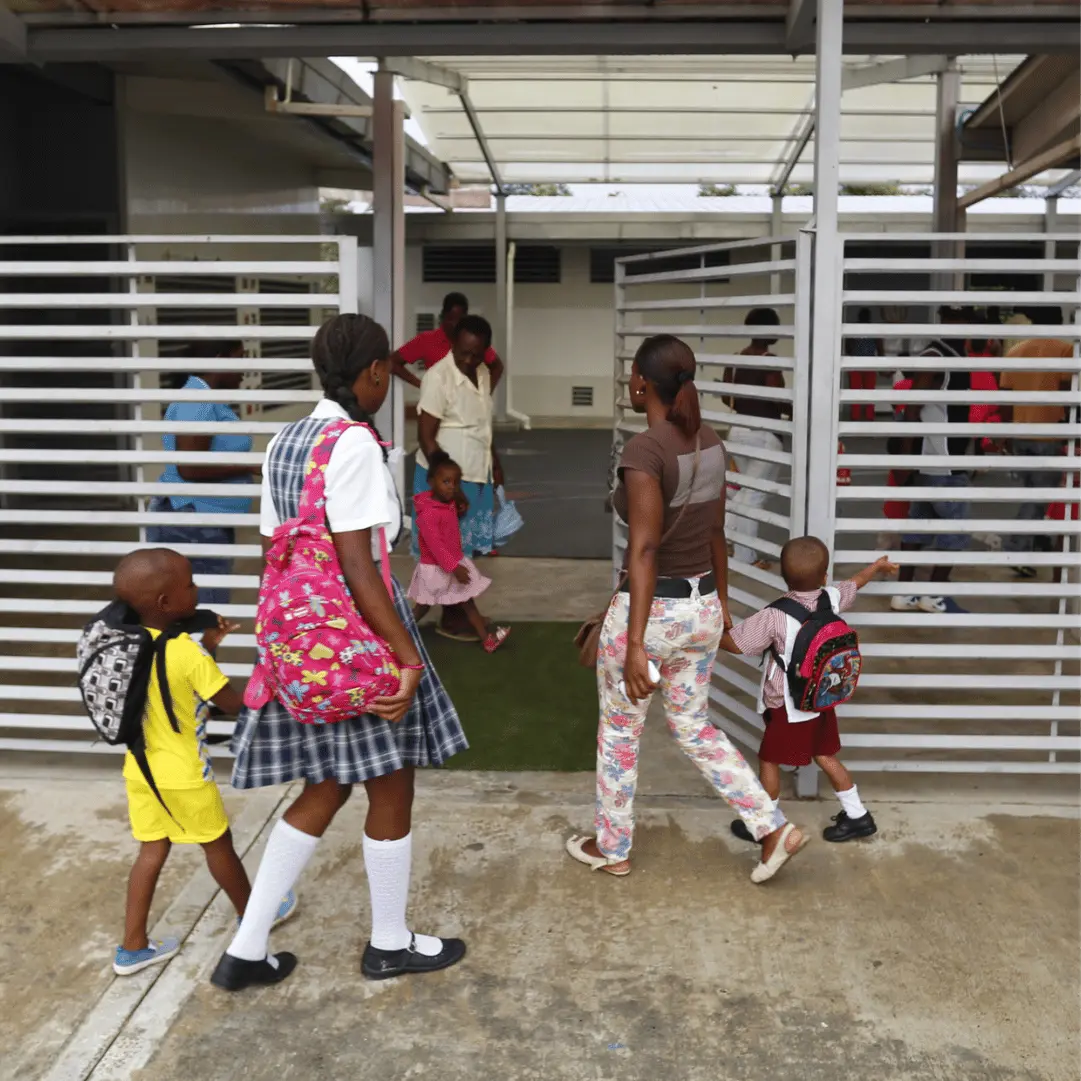
Rebuilding Must Mean More Than Returning to the Way Things Were
Rebuilding Must Mean More Than Returning to the Way Things Were

Table of Contents
Rebuilding Must Mean More Than Returning to the Way Things Were
Rebuilding infrastructure is not enough to restore well-being.

By Victoria Arciniegas, Executive Director of aeioTU
Two months have passed since the earthquake that shook Colombia. Gradually, the numbers fade into the background. The impact of those first weeks remains deeply felt in the hardest-hit communities, while life in the rest of the country seems to be returning to normal. Yet we cannot lose sight of the magnitude of what happened or the need to think long-term. The August 10, 2026, earthquake affected 466,345 people across 497 municipalities in 16 departments. Preliminary assessments by the United Nations Development Programme (UNDP) and Colombia's National Unit for Disaster Risk Management (UNGRD) estimate structural damage at COP42.1 trillion, equivalent to 2.3% of GDP.
The 1999 earthquake in Colombia's Coffee Region remains a defining example of both devastation and reconstruction. Twenty-seven years later, what have we learned? What principles are guiding our reconstruction efforts? Will we be able to rebuild more resilient communities?
Consider Chocó,where the consequences of the earthquake have compounded existing challenges: armed conflict, the presence of illegal armed groups, displacement, and extreme weather events. Crises do not occur in isolation. They overlap and deepen inequalities, disproportionately affecting those with the fewest resources and protections. Among them are children in their earliest years of life.
When families lose their homes or livelihoods, the conditions that support early childhood development are also disrupted. Daily caregiving routines are interrupted, safe spaces for learning and play disappear, and emotional stress within families increases.
That is why rebuilding infrastructure alone is not enough to restore well-being. We must also implement strategies that rebuild relationships, strengthen caregiving networks, and restore the protective environments that support children's development.
Yet early childhood continues to be overlooked. Counting the number of damaged schools is not enough if we do not understand the situation of community-based childcare centers, the early childhood services provided by the Colombian Family Welfare Institute (ICBF), and other settings where young children receive care and support. What is missing from the assessment is unlikely to find its way into policy priorities or resource allocation.
A significant gap remains between our ability to respond to an emergency and our ability to sustain a recovery that addresses the needs of the most vulnerable populations We need a dedicated agenda for children ages 0 to 5that recognizes the different vulnerabilities across communities and regions, integrates education, health, child protection, and care services, and establishes concrete commitments for investment and follow-up.
This is a call to government, the private sector, and civil society organizations that are currently mobilizing efforts: we must move beyond coordinating an emergency response toward making shared commitments to sustain reconstruction. Let us build on existing mechanisms, close information gaps, and ensure that the needs of young children are explicitly reflected in the decisions made over the coming months.
The earthquake reminds us that disasters do not create all the vulnerabilities they expose. Many were already there, waiting for a crisis to make them impossible to ignore. Truly transformative reconstruction should not take us back to where we started. It should challenge us to ask why that starting point left us so vulnerable in the first place.
Rebuilding infrastructure is not enough to restore well-being.
Share in:




 WhatsApp: 3204994857


Comments